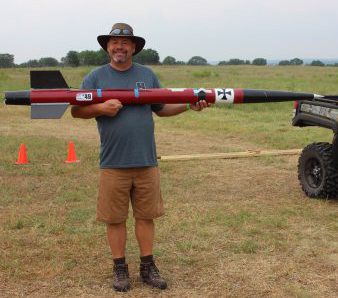
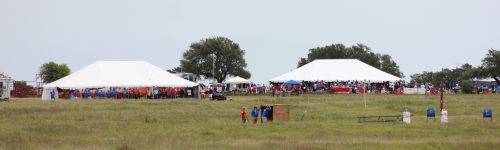
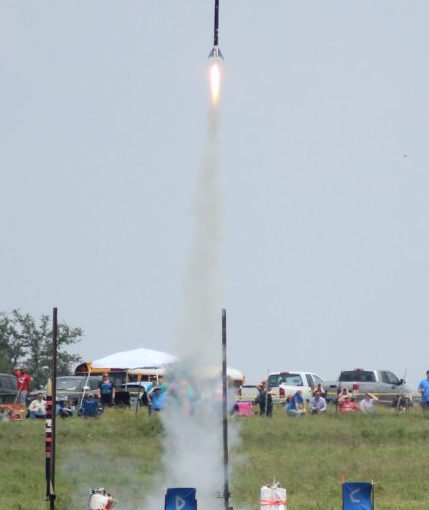
As Fredericksburg Rockets 2016 counts down 2 more days until launch, this now 20-year-old program boasts much more than just building and blasting rockets skyward. This Science, Technology, Engineering, and Math (STEM) program has bolstered the careers of many Texas young adults.
Hands on learning experience in STEM career basics like Engineering and Technology, Engineering Design and Presentation, Advanced Engineering Design and Presentation, Engineering Design and Problem Solving, and research and development, in a course setting that promotes project application has inspired many of our Fredericksburg students, as well as students across the state of Texas to follow a career in the STEM or business fields. Rockets may have been the catalyst that helped to teach them these skills along with other fundamental work place uses including teamwork, critical thinking, analysis, testing, leadership, innovation, invention, individual accountability, and work place compatibility, but the program itself was the deciding factor that created a lasting interest for these individuals to pursue related career fields.
Many students have gone through the program in the last 20 years, just here in Fredericksburg, let alone schools all across Texas that have been using this same model from SystemsGo. Unfortunately there is no recorded number to tell us how many, but just at an average of 17 students per class per grade level, that is approximately 1100 students here in Fredericksburg alone. Multiply that by 43 active schools currently on the list of participants that have joined the program over the last 20 years, and that is a lot of Texas students whose lives have been impacted by the program. New Mexico schools may soon be joining this program as well so that number will increase even more as the program expands outside of Texas.
The following, is just a handful of individuals, some from the early years of the program and some from more recent years. All of them credit the SystemsGo program for encouraging them and helping them to achieve where they are today.
Robert Deaver: FHS graduate 1998, BS in Electrical Engineering at University of Texas at San Antonio, MS in Computer Engineering at University of Tennessee. He was in the SystemsGo program in the first two years of it beginning and worked on the design, construction and flights of Redbird 1 and Redbird 2. He is currently an Electronics Engineer at Real Time Systems in Fredericksburg and a Team member of SystemsGo. Previously he worked at IBM and Dell.
Josh Jung: FHS graduate 1999, BS in Aerospace and Aeronautical Engineering at Purdue University. He spent sophomore through senior years in the SystemsGo program working five Redbird rockets including:
- RB-2: 8″ diam, 15′ tall, M-engine, 3 experimental recovery systems
- RB-3: 2.5″ diam, 6.5′ tall, K-engine, Mach -1 rocket
- RB-6: 3.5″ diam, 6′ tall, Mach-2 rocket (summer project)
- RB-7H: 8″ diam, 20′ tall, hybrid engine, WSMR first attempt
- RB-8H: 8″ diam, 27′ tall, hybrid engine, WSMR flight (upgraded the RB-7H)
Josh is currently the Director of the Falcon 9 Stage Test at SpaceX. He has previously been the Director of Ground Support Equipment, and Director of the Texas Test Site also at SpaceX.
Melissa Jung: FHS graduate 2001, undergraduate studies in Engineering at University of Illinois, ACOG in San Antonio, Recruit Training Command in Great Lakes Illinois. She was in the SystemsGo program her sophomore through senior years.
Melissa is currently working as an Avionics Electronics specialist on airplanes in the US Navy stationed in Norfolk, VA. Previously she worked as a patrol officer in the Fredericksburg Police Department.
Chelsea Burow: FHS graduate 2012, currently working on her BS at Texas Tech University in Physics with a Mechanical Engineering minor . Chelsea was in the SystemsGo program her junior and senior year. Their group built and launched RB-12.
She is unsure about her plans after graduation, but is looking into places like SpaceX, NASA, and SystemsGo. She continues to help with the SystemsGo launches to current date.
Derrick Loth: FHS graduate 2012, currently working on a dual major in Business Finance and Business Management at Texas Tech University. He was in the SystemsGo program his junior and senior years. He was part of the team that built and launched RB-12.
He graduates May 2016 and plans to work for the FDIC as a Federal Bank Examiner.
Kasey Burow: FHS graduate 2013, attended Basic Training at the Recruit Training Command in Great Lakes, IL. She was in the SystemsGo program her sophomore through senior years.
She is currently in the US Navy stationed at the Norfolk Naval Station in Norfolk,VA. She is an Aviation Structural Mechanic on Sea Dragon helicopters in Helmineron 12 & 14.
Austin Walters: FHS graduate 2014, attends the University of Texas at San Antonio, and is working on a dual Bachelors in Aerospace and Mechanical Engineering. He was in the first full 4 year program offered by SystemsGo at FHS. He helped build and launch RB-15.
He plans to work for one of the Aerospace companies like SpaceX after graduation.
Anissa Kneese: FHS graduate 2014, currently attending Texas A&M. She is studying Mechanical Engineering. She was also in the first full 4 year SystemsGo program at FHS. She also helped build and launch RB-15.
She would like to work for one of the Aerospace companies after graduation. She continues to help at each year’s SystemsGo rocket launches.
While trying to find information on individuals for this piece I found the following link by Shaun Pyka done somewhere around the 2012-2013 school year. It show cases a slide show of many more past students and where they were at the time. Some of the work information may not be current anymore, but is still gives a good idea of how much this program has impacted the lives of its students.
http://slidegur.com/doc/1128314/shaun-pyka—systemsgo
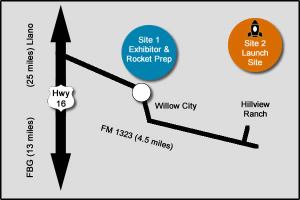
More event details will be available here in upcoming days as launch dates get closer. Daily reports featuring schedules, school names, results, pictures and some editorial content will be posted during the events.
www.systemsgo.org as always is the place for more information on this program. You may also email them at info@systemsgo.org .Take the time to get your school involved, the future of your students will be greatly benefited.