May is here and time is running out for the Fredericksburg STEM Academy as launch dates approach for the junior and senior groups. Juniors have a May 18th test date at Rockets 2017 in Willow City. While the seniors are down to less than 3 weeks as Redbird 18 is scheduled for completion two weeks before school ends to allow for preliminary systems tests.Due to delays in manufacturing, testing will have to occur in the process of construction as components come in. Final testing will be the week of June 19th prior to their test at WSMR the following week. It is slated to launch at White Sands Missile Range on June 27th.
During April the seniors tested Low Density polyethylene (LDPE) three times on teststand. Data on all tests was consistent and exemplary. Currently the injector plate is being drilled again to increase the oxidizer flow rate to the correct value to provide for complete combustion. Due to this testing is on hold. Lately they have been experimenting with different ablative arrangements. The ablative has burned through slightly but not enough to damage the test cell.
Below is an actual video of an engine burn test. This one of the first video’s with HD video quality and audio. The regularly captured video does not have audio embedded. This is good for them too as they do these tests for NASA and this gives them something more to show of their work.
https://goo.gl/photos/78HwtXxx8rytjxSV7
Mr. Matthes had this to say about this particular burn, “It looks pretty good but we’re only getting about 1/3 of the oxidizer we should be getting so it is fuel rich. It will not be as orange when we get the oxidizer flow rate correct. The hope is that it is a really clean plume with mach diamonds in the plume.”
The senior’s “junior teststand” nick named “Baby Bird” is almost complete. They hope to conduct their first ever test on this new teststand possibly late this week. This teststand was created by the seniors starting last year during junior studies to test a fuel grain system designed and developed by them to interface with the hyportek injector and tank. They hope to have 3 successful tests on this teststand. If they achieve this, then they get to fly this new system at Willow City in last year’s rocket. At this point, they are getting fuel grains prepped. Pictured below, are nozzles created for Baby Bird.

Redbird 18 still currently does not resemble a rocket, but they are making steady progress. The nozzle has been manufactured, seen here 

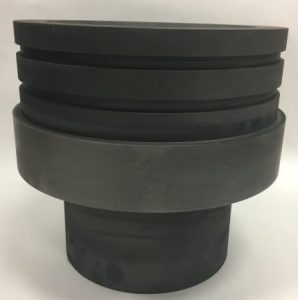
and the nose cone mold is also back, seen here. 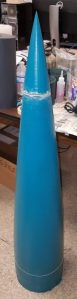
Machining could only be created to within 8 inches of the tip, therefore they created the tip with 3D printing and epoxied it to the nose cone and are preparing it for fiberglass.
Other needed materials are in and have been sent out to Heartland Enterprises for machining. Currently, Mr. Matthes says that the biggest test coming up will be next week when they pressure test the oxidizer tank.
Juniors are under pressure as the deadline for 100% completion of their rocket is May 11. Meeting this deadline will allow them time to complete their Flight Readiness Reviews (FRR) and be able to high light problems or errors that still exist. Components are coming in and weights on some are different than originally reflected in RockSim. Due to this they are updating their design to accommodate. Currently they are still on the wire between breaking the speed of sound and exceeding the 13,000 feet maximum allowable altitude. Breaking Mach means they also exceed altitude. Staying under 13,000 feet means then they lose their shot at breaking Mach.
 Here Chris Calzada is working on RockSim trying to resolve the altitude velocity conundrum.
Meanwhile the Sophomores have been entrusted to work at their own pace to finish their last chapters and projects. Time remaining after completion of these is for 3D printing and modeling. Their learned skills in isometric, creating section views, details and working drawing sets would now allow them to communicate effectively to a machine shop without the need for clarification.
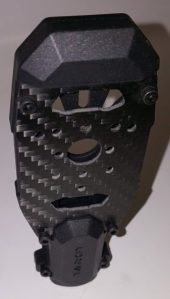
Paul Kucherka, a FISD maintenance man and school function videographer developed an issue with the quadcopter that he uses to video. A few of the sophomores are going to attempt to design and develop a new wiring harness that may provide the solution to Paul’s needs, hopefully by the end of the school year, this would allow him to continue using this equipment for video. In order to do this, a few other sophomores have been creating the multiview of one of the quadcopter’s parts on the 3D printer. Pictured below is the original part they are attempting to recreate.
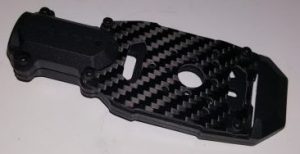
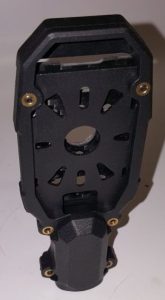
This article is the seventh in a series, new for this school year ’16/’17 of monthly updates that will follow the Fredericksburg STEM Academy/Rocket program. This school is a participant of the SystemsGo STEM program. This series of articles is intended to support, encourage, and challenge students in the program as they share their working status and accomplishments throughout the year in the program. These publications will be available for tags and re-posting.
www.systemsgo.org as always is the place for more information on this program. You may also email them at info@systemsgo.org . Take the time to get your school involved, the future of your students will be greatly benefited.


 On the Wings of Angels